Maintaining a high-output engine is fundamentally different from caring for a standard commuter car. When you increase horsepower and torque, you simultaneously increase heat, friction, and mechanical stress. For enthusiasts, the goal isn’t just to keep the car running; it is to preserve the precision and longevity of a complex machine. True performance is not just about the numbers on a dyno sheet. It is about the consistency of the power delivery and the reliability of the internal components under duress. High-performance engines operate with much tighter tolerances, meaning that a small deviation in oil pressure, coolant temperature, or air-fuel ratio can lead to catastrophic failure. To avoid these pitfalls, a proactive and holistic approach to vehicle health is required.
Optimizing the Internal Combustion Cycle
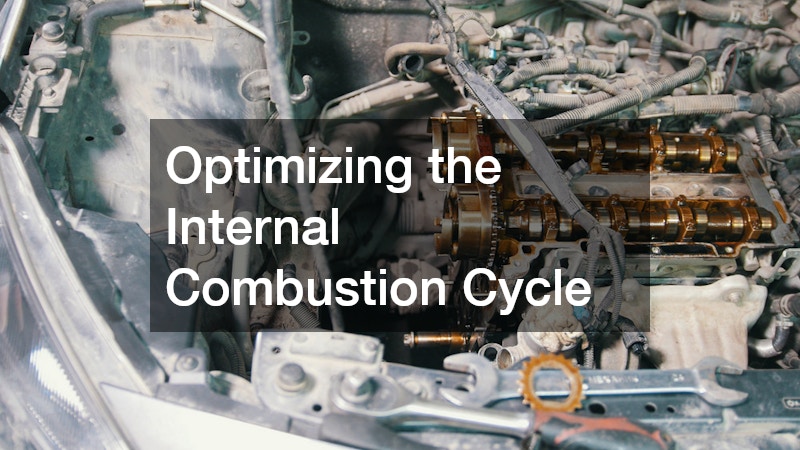
The combustion chamber is where the magic happens, but it is also where the most violent forces are contained. In a high-performance setting, the integrity of the cylinder head and the block’s mating surface is paramount. If these surfaces are not perfectly flat, the high cylinder pressures generated by turbochargers or high-compression pistons will eventually force their way past the head gasket.
When you are rebuilding an engine for maximum output, the preparation of the metal surfaces cannot be overstated. Engaging in professional cylinder head machining is the only way to ensure that the microscopic peaks and valleys of the aluminum or iron are leveled to a specification that can withstand thousands of pounds of pressure per square inch. This process also allows for the inspection of valve seats and guides, which are often the first components to wear out in a high-revving environment.
For those who prefer the soul of a vintage powerhouse, the maintenance routine becomes even more specialized. Engaging in classic car auto repairs requires a deep understanding of how older metallurgy reacts to modern, high-detergent synthetic oils and ethanol-blended fuels. These engines often lack the electronic sensors of modern cars, meaning the technician must rely on “ear and feel” to adjust timing and fueling, ensuring the engine doesn’t run lean and melt a piston during a spirited drive.
Key Internal Maintenance Tasks
- Leak-Down Testing: Go beyond a standard compression test to identify exactly where pressure is escaping, whether through valves, rings, or the head gasket.
- Borescope Inspections: Use a digital camera to look inside the cylinders for signs of “piston slap” or scouring on the cylinder walls without tearing the engine down.
- Oil Analysis: Send samples to a lab to check for trace metals like copper or lead, which act as an early warning system for bearing wear.
- Valve Lash Adjustment: For engines with solid lifters, maintaining the correct gap is essential for both power and the physical health of the camshaft.
Managing Thermal Loads and Exterior Protection
Heat is the byproduct of horsepower, and managing it is a full-time job for your cooling system. However, thermal management extends beyond the radiator. The way air moves over the car, and the way sunlight hits the surfaces, can affect the ambient temperature under the hood and the comfort of the driver.
In the pursuit of keeping the engine bay as cool as possible, every little bit of heat rejection helps. High-quality auto tinting can significantly reduce the internal cabin temperature by blocking a vast majority of solar energy. This is not just for comfort; by keeping the interior cooler, the air conditioning system draws less power from the engine, and the cooling fans do not have to work as hard to compensate for the additional heat load of the AC condenser.
Furthermore, the physical protection of the vehicle’s exterior serves a functional purpose in performance. Many owners apply car wraps to their vehicles to act as a barrier against the abrasive debris found on race tracks or highways. These vinyl layers prevent the pitting of the front fascia, ensuring that the airflow directed into the intercoolers and brake ducts remains laminar and efficient, rather than being disrupted by a surface marred by thousands of tiny rock chips.
Thermal Management Best Practices
- Coolant Refresh: Use a high-performance coolant with a wetting agent to break down surface tension and improve heat transfer from the metal to the liquid.
- Heat Shielding: Wrap headers and downpipes in volcanic rock or ceramic blankets to keep exhaust heat inside the pipes and away from sensitive intake sensors.
- Ducting Integrity: Regularly check that all plastic undertrays and air guides are securely fastened, as these are designed to create a high-pressure zone that forces air through the heat exchangers.
- Oil Cooler Cleaning: Use compressed air to blow out dirt and insects from the oil cooler fins, as even a 10% blockage can lead to significantly higher oil temperatures.
Sustaining Precision in the Drivetrain and Chassis

A high-performance engine is only as good as the chassis that supports it. If the car is not pointed straight or if the wheels are fighting each other, the engine has to work harder to overcome that resistance. This leads to increased fuel consumption, tire wear, and unnecessary strain on the drivetrain components like CV joints and differentials.
Precision is the name of the game when it comes to the footwork of a fast car. A professional alignment is the most important maintenance item after any suspension modification or a rough track day. When the camber, caster, and toe are dialed in specifically for your driving style, the car feels more stable at high speeds, and the engine’s power is translated into forward motion with minimal parasitic loss.
Physical damage to the exterior can also have a surprising impact on how a car handles air and heat. If you have a run-in with a curb or a piece of road debris, consulting a bumper repair company is about more than just aesthetics. Modern performance bumpers are complex aerodynamic pieces that house sensors and ducting; if the shape is distorted, it can create lift at high speeds or block the airflow necessary to keep the transmission fluid within its safe operating range.
Chassis and Drivetrain Checkpoints
- Bushings Inspection: Replace rubber bushings with polyurethane or spherical bearings to eliminate “slop” and keep the suspension geometry consistent under hard cornering.
- Corner Balancing: For cars with coilovers, ensure the weight is distributed evenly across all four tires to improve braking and acceleration traction.
- Wheel Bearing Torque: High lateral G-forces put immense stress on wheel bearings; check them for play or noise every time the tires are rotated.
- CV Boot Integrity: A torn boot will spray grease onto the exhaust or brakes and lead to a snapped axle, which can be a dangerous failure at high speeds.
Preparing for Mechanical Contingencies
Even with a “money-is-no-object” maintenance philosophy, mechanical parts have a finite lifespan. In a high-performance environment, parts are often pushed to 90% of their theoretical limit. This means the margin for error is slim. Part of your maintenance routine must include a plan for when a component finally gives up the ghost.
A roadside assistance provider that understands the needs of modified vehicles. Standard services might not have the equipment to handle a car that is lower than stock or has wide aftermarket wheels. Having a service that can provide a flatbed or a long-distance haul ensures that you aren’t stuck on the side of a highway with a heat-soaked engine and no way to get home.
If a failure occurs that is beyond a simple roadside fix, you must be selective about who handles the vehicle. Calling a local towing service that specializes in exotic or lowered cars is vital. A driver who understands how to use “R-hooks” or “over-the-tire” straps will prevent damage to your expensive suspension components or carbon fiber splitters, which are easily crushed by the chains used on standard recovery trucks.
Emergency Preparation Steps
- On-Board Diagnostics: Always carry a portable OBD-II scanner to read fault codes immediately when a “check engine” light appears, allowing you to decide if the car is safe to drive.
- Fire Safety: Mount a 2.5-pound fire extinguisher within reach of the driver’s seat; high-performance engines with high-pressure fuel rails are at a higher risk of engine bay fires.
- Fluid Kit: Keep a quart of your specific high-zinc oil and a gallon of pre-mixed coolant in the trunk for emergency top-offs.
- Tool Roll: Carry a basic set of wrenches, zip ties, and stainless steel wire to perform “field repairs” that might get you to the next exit.
Evaluating Long-Term Viability and Component Life
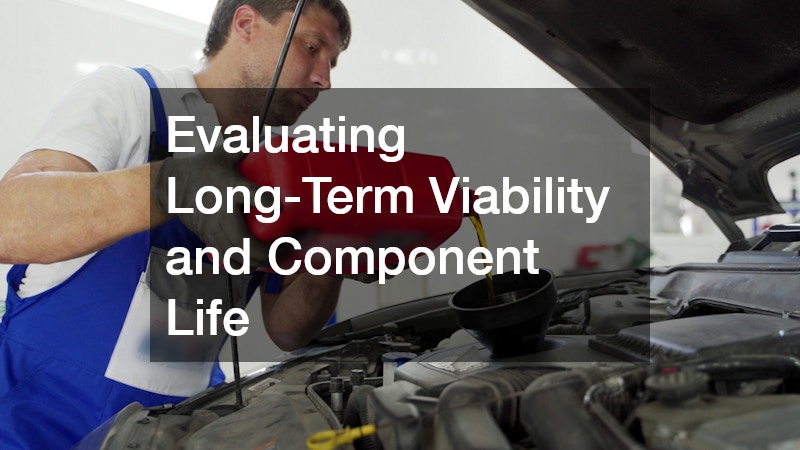
Strategic decision-making is required when the mechanical health of a vehicle begins to decline rapidly. When a vehicle has suffered a major structural failure or the engine block has cracked, it might be time to move on to a new platform. Some owners choose to reach out to local cars for cash buyers who deal specifically in “mechanic specials” or vehicles with high-value parts. This allows the owner to liquidate the asset quickly and put that capital toward a newer, more reliable performance machine rather than pouring more money into a sinking ship.
Beyond the engine, you must also consider the fatigue of the chassis and wiring harness. High-horsepower builds often put more torque through the frame than the factory ever intended, leading to “chassis twist” or cracked spot welds that compromise handling precision. Similarly, years of high engine bay temperatures can make electrical connectors brittle and wires prone to internal resistance. Evaluating these secondary systems is vital because even a fresh engine will perform poorly if the car’s electrical brain or physical skeleton is failing.
However, if you are committed to the car and simply need to move it to a high-end fabrication shop for a complete “heart transplant,” you must plan the logistics carefully. Professional towing is the only way to move a non-running project without risking further damage to the steering rack or the transmission. Using a specialized carrier ensures that the car arrives at the builder in the same condition it left your garage, ready for its next evolution.
Signs It’s Time for a Major Overhaul
- Increased Oil Consumption: If the engine is burning more than a quart of oil every 500 miles, the piston rings or valve seals are likely finished.
- Diminishing Oil Pressure: Low pressure at idle when the engine is hot usually indicates that the main bearings are worn and the engine needs a bottom-end rebuild.
- Mystery Coolant Loss: If you are losing coolant but there are no visible leaks, the fluid is likely being pushed into the combustion chamber or the oil pan.
- Excessive Blow-By: Smoke coming out of the oil fill cap while the engine is running is a sign that the cylinders are no longer sealing properly.
- Metal Flakes in Filter: Finding “glitter” or silver and brass flakes in your oil filter during a routine change is a definitive sign of imminent bearing failure.
The Discipline of Performance
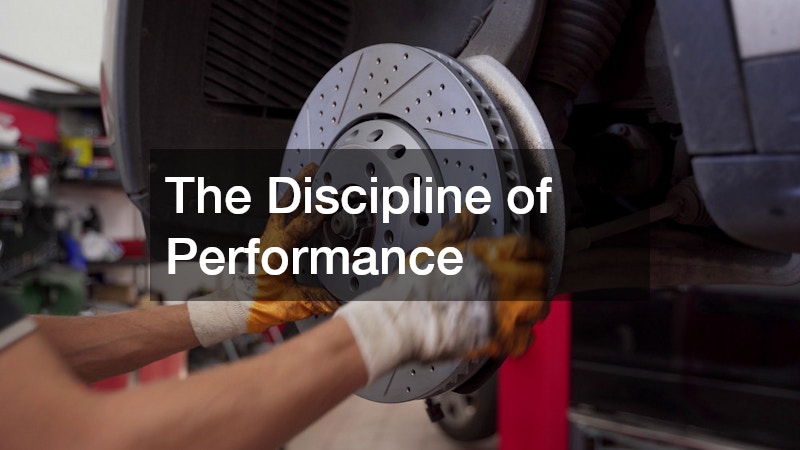
Mastering the maintenance of a high-performance engine is a journey of constant education. It requires you to be in tune with the machine, noticing the slightest change in the exhaust note or a new vibration in the steering wheel. This level of care is what separates the true enthusiast from the casual driver. While the costs can be higher and the schedule more demanding, the reward is a vehicle that performs at its peak every time the light turns green.
True performance is found in the details. It is found in the willingness to pull a spark plug just to check the color, the patience to wait for oil to reach operating temperature before driving hard, and the discipline to follow a rigorous maintenance schedule. By treating your vehicle as a precision instrument rather than a mere appliance, you ensure that every time you hit the throttle, the machine responds with the same vigor it had on day one. Maintenance isn’t just a chore; it is an investment in the thrill of the drive. The bond between a driver and a well-maintained machine is something that can only be understood once you feel the perfect harmony of a high-output engine singing through the gears.