
Modern vehicles are marvels of engineering, designed to withstand thousands of miles of travel through fluctuating temperatures, varying road conditions, and the mechanical stress of daily operation. However, this resilience often creates a false sense of security for the average driver. Because cars are built so well today, they rarely give immediate, obvious signs of distress until a component is on the verge of total failure. This is why the concept of an annual vehicle health check is the single most important habit a car owner can adopt.
An annual health check is much more than a simple oil change. It is a comprehensive diagnostic deep-dive that evaluates the structural, mechanical, and electronic integrity of your transportation. Think of it as a preventative wellness exam. By identifying a small leak, a thinning belt, or a slightly misaligned component today, you are effectively preventing a catastrophic breakdown or a multi-thousand-dollar bill six months down the line. Beyond the financial implications, it is a matter of fundamental safety. Ensuring that your vehicle responds exactly as intended during an emergency maneuver is the difference between a close call and a tragedy.
In the following guide, we will explore the intricate layers of your vehicle that require yearly attention, how these checks protect your wallet, and how they ensure that your car remains a reliable asset for years to come.
Maximizing Engine Longevity and Powertrain Efficiency

The heart of your vehicle is a complex system of moving parts that operate under extreme heat and pressure. While many people focus solely on the frequency of oil changes, an annual health check looks at the powertrain as a holistic system. This involves inspecting the seals, gaskets, and the quality of various fluids that prevent friction from destroying expensive metal components.
When an expert performs a comprehensive auto repair inspection, they are looking for “ghost” symptoms—things the driver wouldn’t feel through the steering wheel or pedals. For example, they might find that the fluid responsible for shifting gears has become oxidized or contaminated with microscopic metal shavings. Catching this early allows for a fluid flush rather than a full transmission repair later on. A healthy powertrain ensures that the engine doesn’t have to work harder than necessary, which directly impacts your fuel economy and the smoothness of your daily commute.
-
Fluid Analysis: Checking the color and consistency of coolant, power steering, and transmission fluids.
-
Belt and Hose Integrity: Looking for “glazing” on belts or soft spots in hoses that could lead to a sudden overheat.
-
Seal Inspection: Identifying slow seeps at the valve cover or oil pan before they become active drips.
Optimizing Road Contact and Handling Dynamics
The way your car interacts with the pavement dictates everything from your comfort to your ability to avoid an obstacle in the road. Over the course of a year, hitting potholes, driving over speed bumps, and navigating gravel can slowly knock your vehicle out of its factory specifications. This degradation is often so gradual that the driver “learns” the new, poorer handling and assumes it is normal.
During a yearly inspection, a technician will evaluate the suspension to ensure that the shocks or struts are effectively dampening vibrations and keeping the tires planted firmly on the ground. If the components are worn, your stopping distance increases, and your tires wear out prematurely. Additionally, a visit to a local tire shop as part of this annual routine ensures that your tires are rotated and balanced. This balance is crucial; even a few grams of weight imbalance can cause a vibration that eventually shakes other mechanical components loose, leading to a much more expensive fix than a simple tire service.
-
Shock and Strut Testing: Checking for hydraulic leaks or “bouncing” that indicates a loss of damping.
-
Bushing Inspection: Ensuring that the rubber components in the undercarriage aren’t cracked or missing.
-
Tread Depth and Alignment: Verifying that the car isn’t “scrubbing” the rubber off its tires due to poor geometry.
Ensuring Reliable Stopping Power and Structural Safety

Brakes are arguably the most critical safety feature on any vehicle. While most drivers wait for a high-pitched squeal to indicate that their pads are low, an annual check-up catches problems that don’t make noise. Corrosion on the brake lines, moisture in the brake fluid, or uneven wearing of the rotors can all lead to “brake fade” or a spongy pedal feel during a hard stop.
Providing regular brake services ensures that the friction material is wearing evenly and that the calipers are sliding freely. If these systems are neglected, a vehicle might pull to one side during an emergency, potentially leading to an accident that requires extensive collision repair. By verifying the integrity of the braking system once a year, you are ensuring that the vehicle’s active safety measures—like Anti-lock Braking Systems (ABS) and Electronic Stability Control—have the mechanical hardware they need to function correctly when the computer triggers them.
-
Caliper Lubrication: Preventing the sliding pins from seizing due to road salt and grime.
-
Rotor Resurfacing: Checking for “warping” that causes steering wheel shake during deceleration.
-
Line Inspection: Looking for cracks in rubber lines or rust on metal lines that could cause a loss of pressure.
Protecting the Financial Value of Your Automotive Asset
A car is often the second largest purchase a person makes, yet many fail to protect that investment. From a financial perspective, a well-documented history of annual health checks is a gold mine. When the time comes to sell or trade in your vehicle, having a folder full of “passed” inspection reports proves to a buyer that the car was loved rather than just used.
If you ever decide to sell the vehicle privately, an auto appraisal company will look for signs of consistent maintenance to justify a higher market price. They can easily distinguish between a car that has been neglected and one that has been serviced annually. Furthermore, staying on top of maintenance can actually be a boon for your auto insurance situation. While maintenance doesn’t directly lower your premiums, a car in top mechanical shape is statistically less likely to be involved in accidents caused by mechanical failure, such as tire blowouts or brake failures, keeping your claims history clean.
-
Service History Logs: Keeping a digital or paper trail of every annual inspection.
-
Valuation Maintenance: Ensuring that internal wear doesn’t lead to a “salvage” or “poor” rating during an appraisal.
-
Risk Mitigation: Reducing the likelihood of a catastrophic mechanical failure on the highway.
Maintaining the Exterior and Preventing Structural Decay

We often think of vehicle health as being “under the hood,” but the structural integrity of the body is just as vital. Rust is a cancer for cars; once it starts in a rocker panel or a wheel well, it spreads rapidly, eventually compromising the safety of the vehicle in a crash. An annual check allows a professional to look at the vehicle’s undercarriage and body for early signs of oxidation or paint failure.
If minor chips or scratches are found, a quick touch-up can prevent a trip to the auto body shop for a full panel replacement later. Furthermore, an inspector can check for any signs of frame stress or previous poor-quality collision repair that might be starting to fail. Identifying these structural weaknesses early ensures that the vehicle remains a protective “cage” for its occupants. It’s about catching the small bubble in the paint before it becomes a hole in the metal.
-
Drain Plug Clearing: Ensuring that the sunroof and door drains aren’t clogged, which leads to interior rot.
-
Undercarriage Cleaning: Removing salt and debris that trap moisture against the metal frame.
-
Panel Alignment: Checking that doors and hoods are closing properly, which indicates a straight frame.
Logistical Planning and Managing Vehicle Downtime
One of the biggest hurdles to vehicle maintenance is the inconvenience of being without a car. However, an annual health check allows you to control the schedule rather than letting a breakdown control you. When you book a yearly appointment, you can plan for the downtime, perhaps on a day when you are working from home or have an alternative way to get around.
For more intensive annual services where the car might need to stay in the shop for 24 to 48 hours, many service centers offer or can help arrange a car rental. This ensures that your life doesn’t stop just because your vehicle is being pampered. By being proactive, you avoid the high-stress environment of an emergency tow and a last-minute scramble for transportation. It transforms a potential crisis into a managed, predictable afternoon of maintenance.
-
Pre-Scheduled Appointments: Booking months in advance to get the most convenient time slot.
-
Alternative Transportation: Utilizing shuttle services or temporary vehicles to maintain your schedule.
-
Budgeting for Repairs: Using the health check report to plan out and save for future repairs over the coming months.
The Technology Factor: Keeping Modern Sensors Calibrated
Modern cars are effectively computers on wheels. They are equipped with cameras, radar, and ultrasonic sensors that govern adaptive cruise control, lane-keep assist, and automatic emergency braking. These systems require precise alignment to function correctly. A slight nudge to a bumper or a change in the vehicle’s ride height can throw these sensors off by a fraction of a degree, which results in a significant error at highway speeds.
During an annual health check, technicians can perform a diagnostic scan to ensure the software is up to date and that the sensors are communicating properly. This “digital” health check is becoming just as important as the mechanical one. Ensuring that your car’s “eyes” are seeing the road correctly is a vital part of modern car care that didn’t exist twenty years ago but is now a cornerstone of passenger safety.
-
Diagnostic Trouble Code (DTC) Scanning: Finding “hidden” codes that haven’t triggered a dashboard light yet.
-
Sensor Cleaning and Alignment: Ensuring that road grime isn’t blinding your safety cameras.
-
Software Updates: Installing manufacturer patches that improve engine efficiency or safety logic.
Enhancing Electrical Reliability and Battery Performance
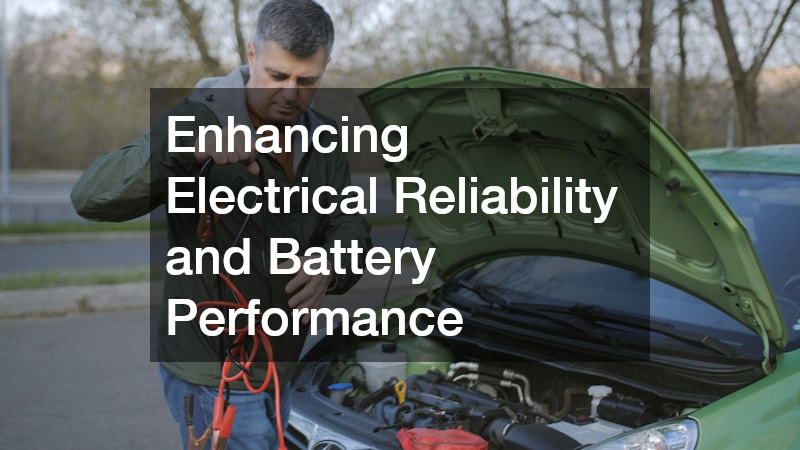
While much of a vehicle inspection focuses on mechanical parts, the electrical system is the nervous system that allows everything else to function. In an era of high-tech infotainment, heated seats, and sophisticated engine control units, the strain on a car’s electrical grid is higher than ever. An annual check ensures that your battery, alternator, and starter are working in harmony. A battery that tests “weak” in the controlled environment of a service bay is a battery that will likely fail you on a freezing morning or in a deserted parking lot.
An inspector will clean terminal corrosion and check the charging voltage to ensure the alternator isn’t overworking or undercharging. Furthermore, this is the time to inspect the complex wiring harnesses that run along the chassis. If a plastic clip has broken and a wire is rubbing against a moving part of the suspension, it can cause a short circuit that is notoriously difficult and expensive to diagnose later. By including the electrical system in your annual auto repair routine, you prevent the frustration of a car that simply refuses to start.
-
Battery Load Testing: Determining the actual cranking amps available versus the battery’s original rating.
-
Charging System Analysis: Ensuring the alternator provides a steady voltage under full electrical load.
-
Ground Connection Check: Verifying that the vehicle’s electrical “grounds” are free of rust to prevent intermittent electronic glitches.
The annual vehicle health check is not an inconvenience; it is an investment in your future safety, financial stability, and peace of mind. While the modern world moves fast, taking one day a year to slow down and ensure that your primary mode of transportation is in peak condition is a decision that pays dividends every time you turn the key. It moves you out of the cycle of “reactive” ownership—where you are constantly surprised by bills and breakdowns—and into the realm of “proactive” ownership.
By staying ahead of the wear-and-tear curve, you preserve the joy of driving. A well-maintained car feels better, sounds better, and performs better. It provides the confidence that whether you are commuting to work or embarking on a cross-country family vacation, your vehicle is up to the task. Don’t wait for a warning light to tell you something is wrong. Take control of your car’s health today and ensure that it remains a safe, reliable, and valuable part of your life for many years to come.