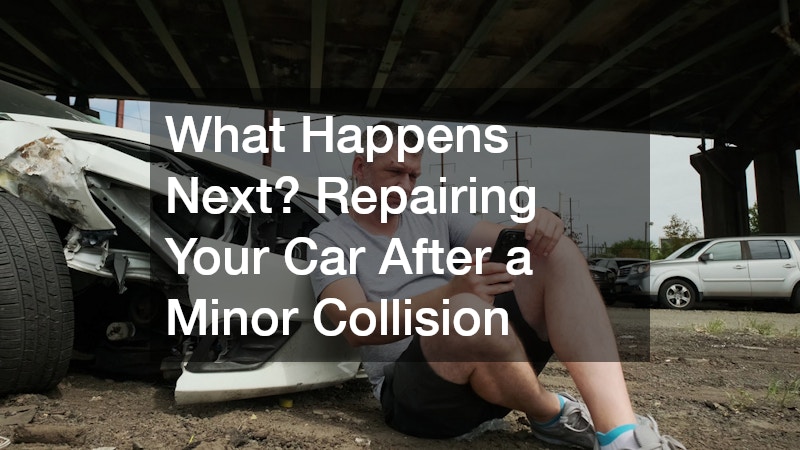
Dealing with a minor collision can be unexpectedly stressful, even when the damage appears small at first glance. In the moments following a fender bender, it’s common to feel overwhelmed by questions—Is my car safe to drive? How serious is the damage? Should I go through insurance or pay out of pocket? Knowing what to do next can make all the difference in minimizing both costs and complications.
This article is designed to guide you step by step through the post-accident process, helping you move from uncertainty to clarity. From conducting an initial assessment of visible and hidden damage to understanding repair options and timelines, you’ll gain a clear roadmap for restoring your vehicle efficiently and safely. We’ll also walk through how to choose a reliable repair shop, what to expect during the repair process, and how to navigate insurance claims without unnecessary stress.
Beyond immediate repairs, this guide also looks ahead—offering practical tips on protecting your vehicle from future incidents and maintaining its condition after repairs are complete. Even a minor collision can have lasting effects if not handled properly, so taking a proactive and informed approach is key.
Whether you’re a seasoned driver familiar with accident protocols or facing your first unexpected bump on the road, this comprehensive guide will equip you with the knowledge and confidence to handle the situation effectively—while keeping frustration to a minimum and your vehicle on the path back to peak condition.
Assisting Your Car After A Collision
Immediately after a collision, safety should be your top priority. Ensure that all passengers are safe and check for any injuries that might require immediate attention. Once everyone is safe, move the vehicle to a secure location if possible, avoiding any further accidents or traffic obstructions. It may be necessary to call for roadside assistance services to help relocate your vehicle if you cannot drive it safely.
Once you’ve secured the scene, assess your car’s damage to get an idea of necessary repairs. Sometimes, damages can be more extensive than they first appear; therefore, having a professional inspect the vehicle is crucial. This is where auto collision services come in, offering comprehensive assessments that ensure all underlying issues are uncovered and addressed.
In cases where you cannot drive a vehicle post-accident, a tow truck may be required to transport the car to a nearby repair shop. Engaging reliable tow truck services can prevent additional damage during transport. It’s also vital for preserving evidence of the accident for insurance and repair purposes.
Choosing the Right Auto Collision Services
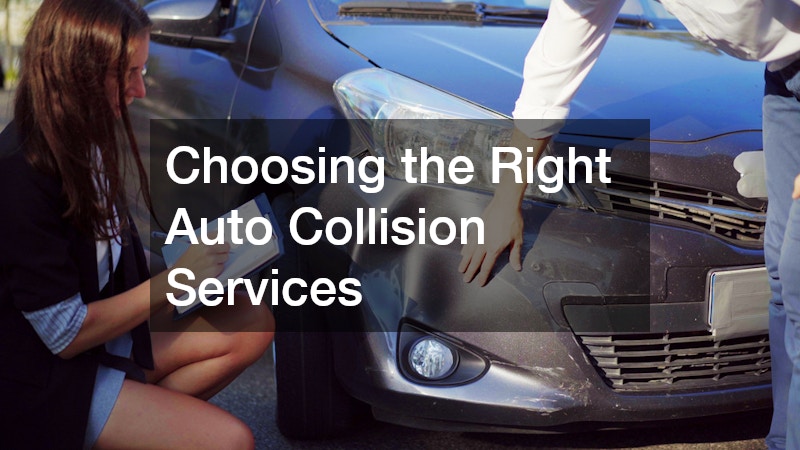
After ensuring safety and initial damage assessment, finding the right auto collision services becomes imperative. It is essential to choose a service provider that specializes in comprehensive auto body repairs. This includes everything from minor dent fixes to major structural alignments and repairs.
The repair shop’s reputation can often speak to the quality of service you will receive. Consider looking for local car repairs with a proven track record of satisfied customers and quality workmanship. Check online reviews and seek recommendations from friends or family who have had similar repair needs.
Auto collision services often package their offerings to include other critical car maintenance services. For instance, they might offer wheel alignments as part of the repair process—a crucial element often overlooked that ensures vehicle stability and handling. Choosing a well-rounded service provider will help in restoring your car thoroughly.
Considerations for Roadside Assistance Services
Roadside assistance services can be a lifesaver when dealing with unexpected vehicular emergencies. These services typically include towing, jump-starts, fuel delivery, and tire changes, providing peace of mind for many drivers. Understanding what your roadside assistance package includes can be vital in the immediate aftermath of a minor collision.
Some insurance policies cover roadside assistance services as part of their comprehensive coverage. Ensure you check your policy details to avoid unnecessary out-of-pocket expenses at a time that might already be financially straining. If not covered, consider common providers like AAA or your vehicle manufacturer, who might offer competitive assistance packages.
The efficient handling of an accident scene often hinges on expedited services, like those provided by strong roadside assistance programs. Engaging these services early can prevent further damage and ensure the swift return of your vehicle to operable status. They also coordinate well with both insurance claims and initiation of auto body repairs.
Finding and Utilizing Local Car Repairs
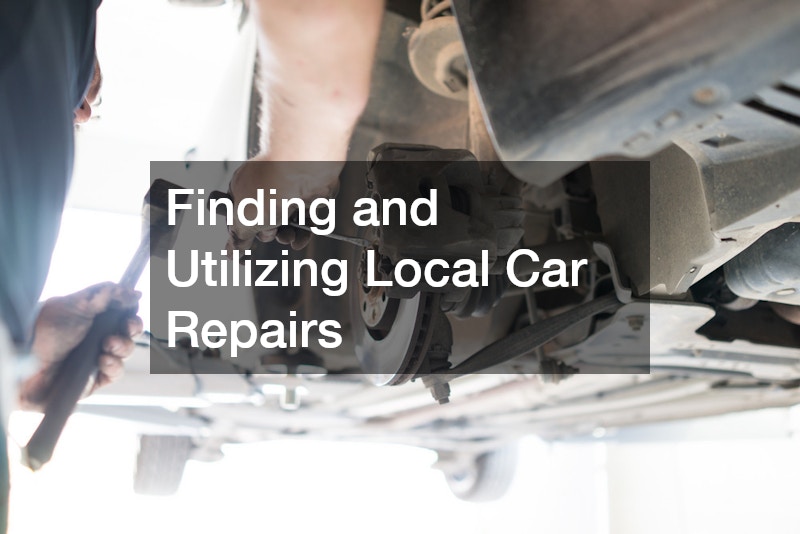
Leveraging local car repairs can offer many benefits, including convenient proximity and often faster service delivery. Local shops frequently have established relationships with parts suppliers, providing quicker access to necessary components and often at lower costs than larger franchises.
When determining which local repair provider to use, consider one that specializes in your vehicle’s make or model. Such specialization can enhance repair quality as they are more likely to have specific parts in stock and detailed expertise in handling particular makes. Car owners have found this invaluable, especially when complex repair needs arise.
Visiting local repair shops also provides easy access for periodic updates and quicker resolution in case of additional unforeseen repairs. Local businesses often rely heavily on community reputation and word-of-mouth, motivating them to deliver exceptional service. This customer-centered service approach may ensure your car is back on the road faster.
Comprehensive Auto Body and Repairs
After a collision, ensuring the complete repair of both the body and glass components of the car is critical. Auto body repairs address the shell of the vehicle as well as any underlying framework issues that may have arisen during the collision. These repairs are crucial not only for aesthetic purposes but also for maintaining the structural integrity and safety of the car.
Glass repairs are another significant consideration, as damaged windshields and windows can pose severe safety risks. Even minor chips or cracks can quickly escalate, compromising visibility and protection. Immediate attention to glass repairs can prevent further damage and ensure visibility remains uncompromised.
Many auto body repair shops offer comprehensive packages that address both structural and aesthetic needs, including glass repairs. Selecting a service that provides full-spectrum repairs can simplify the process and offer peace of mind knowing all facets of the vehicle’s damage are meticulously handled.
Fixing and Protecting Your Vehicle’s Asthetics
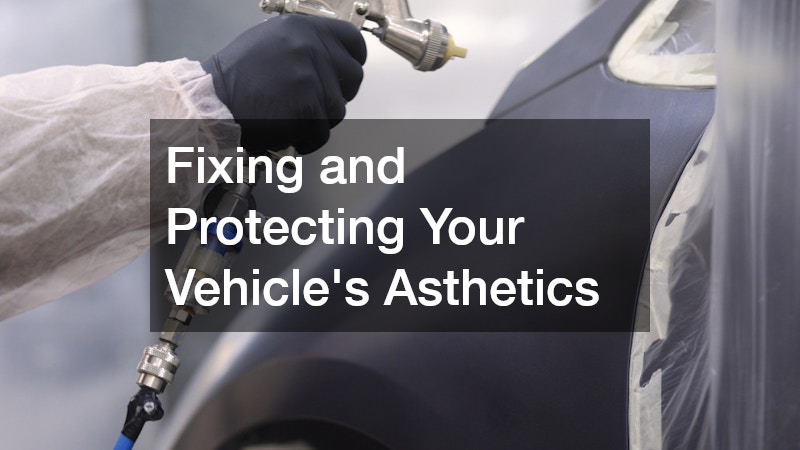
Once structural repairs are complete, considering auto paint protection can provide a vital final touch. Auto paint protection helps preserve the vehicle’s aesthetic condition, shielding it from the elements, minor scratches, and other potential damage. It can significantly contribute to maintaining the vehicle’s value post-repair.
There are several options available for auto paint protection, ranging from traditional wax applications to advanced ceramic coatings. These varying methods offer different levels of protection, durability, and cost, allowing car owners to select the best fit for their needs and budgets. Special considerations should be made depending on environmental factors and driving habits.
Beyond paint protection, other protective measures, such as installing durable body kits or using running board guards, can prevent excessive wear or damage. Investment in these preventative measures can save significant repair costs in the long term and ensure your car remains in excellent condition.
Liability and Legal Considerations After a Collision
Understanding your legal position following a car accident is crucial for dealing with any legal liabilities that may arise. Consulting with personal injuyry attorneys can provide essential guidance, ensuring that you are well-protected against potential claims and lawsuits. This step can be particularly vital if there were any injuries involved in the collision.
Personal injury attorneys can assist not only with personal claims but also with navigating insurance claims and settlements. Their expertise can make a significant difference in the compensation you receive for damages and injuries. Such professional assistance is often invaluable in complex cases involving multiple parties or significant damage.
While dealing with legal matters, it is essential to maintain a detailed record of all procedures, communications, and repairs related to the accident. This documentation can facilitate smoother legal processes and settlement negotiations. Furthermore, it ensures you are prepared in case of any disputes or additional legal needs.
Deciding to Sell After a Collision
In certain instances, you may decide that repairing the car isn’t worth the time, expense, or trouble. If the vehicle is deemed irreparable or the cost of repairs exceeds the car’s value, you might consider selling it. Companies offering cash for junk cars can provide a quick solution, buying your damaged vehicle for parts or scrap.
Before making a decision, get a professional evaluation of your car’s value in its post-accident state. Sometimes, the cash you can receive for a junk car might be slightly less appealing than investing in necessary repairs. Weigh these options carefully to determine the best financial decision for your specific situation.
Don’t overlook the potential tax and environmental benefits of selling your car for junk. Many companies operate under environmentally-friendly regulations, ensuring that your vehicle is disposed of in a manner that minimizes waste and pollution. Additionally, you may receive a tax deduction by donating your vehicle to certain organizations.
Final Steps: Quality Checks and Returning Your Vehicle to the Road
Once all major repairs have been completed, the final phase of post-collision recovery focuses on ensuring your vehicle is fully safe, functional, and ready for regular use. This stage is just as important as the repair work itself, as it confirms that no issues were overlooked during the restoration process.
Before accepting the vehicle back from the repair shop, conduct a thorough walk-around inspection. Check that all previously damaged areas have been properly restored and that paint finishes, panel alignment, and glass installations meet acceptable standards. Pay attention to details such as door operation, trunk and hood alignment, and the consistency of paint color and texture.
It’s also essential to verify that all safety and mechanical systems are functioning correctly. Test headlights, brake lights, turn signals, windshield wipers, and sensors. If the collision involved a more significant impact, a short test drive can help confirm that steering, braking, and suspension feel normal and stable. Any unusual noises, vibrations, or warning lights should be addressed immediately with the repair provider before leaving the shop.
In addition, request and review all repair documentation. A reputable auto collision service should provide a detailed breakdown of the work performed, including parts replaced, labor completed, and any warranties offered. This paperwork is valuable not only for your records but also for future resale value and insurance purposes.
Finally, take a moment to ensure you are comfortable with the overall repair outcome. Reputable shops will often offer a warranty or guarantee on their work, giving you added confidence in the quality and durability of the repairs. Don’t hesitate to ask questions or request clarification if anything seems unclear.
By completing these final checks, you help ensure that your vehicle is not only repaired but fully restored to a safe and reliable condition. This final step brings the entire post-collision process full circle—returning you to the road with confidence, peace of mind, and a properly restored vehicle.
Ensuring comprehensive repairs after a minor collision is essential not only for restoring your vehicle’s appearance but for preserving its safety, performance, and long-term value. What may seem like minor cosmetic damage can sometimes conceal deeper issues—such as alignment problems, sensor malfunctions, or structural weaknesses—that, if left unaddressed, could lead to more serious complications down the road.
By following a thoughtful, step-by-step approach—from prioritizing immediate safety at the scene to carefully selecting qualified repair professionals—you set the foundation for a smoother and more reliable recovery process. Understanding your insurance coverage, documenting damage thoroughly, and asking the right questions throughout the repair journey can help you avoid unnecessary expenses and delays while ensuring quality results.
Equally important is taking preventative and protective measures once repairs are complete. Regular maintenance, prompt attention to unusual vehicle behavior, and adopting safer driving habits can all reduce the likelihood of future incidents. In many cases, a minor collision can serve as a valuable learning experience, encouraging more attentive care and awareness as a vehicle owner.
Ultimately, navigating the aftermath of a fender bender doesn’t have to feel overwhelming. With the right information, a clear plan, and a proactive mindset, you can move through each stage with confidence. By considering every step carefully, you not only restore your vehicle but also gain a deeper understanding of how to protect and maintain it—turning a frustrating situation into an opportunity for greater control, preparedness, and peace of mind.