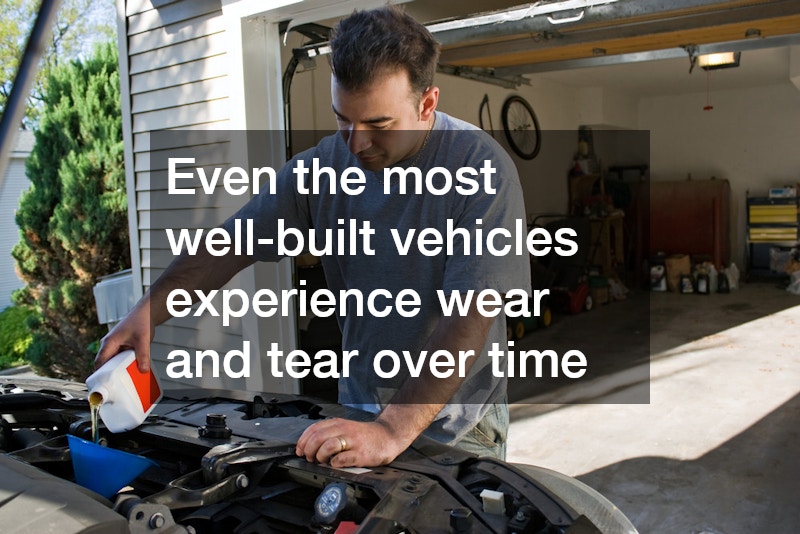
Vehicles from Honda are widely recognized for their reliability, fuel efficiency, and long lifespan. Many drivers choose Honda because of its strong track record for dependability. However, even the most well-built vehicles experience wear and tear over time. As components age and mileage increases, certain issues tend to appear, especially if routine maintenance is overlooked.
Understanding the most common Honda repairs and addressing them early can prevent more serious problems down the road. Taking a proactive approach not only reduces repair costs but also helps extend the life of your vehicle.
With a basic understanding of these issues, Honda owners can better maintain performance and avoid unexpected breakdowns.
How to Identify and Fix a Faulty Ignition Switch
A faulty ignition switch is a known issue in some Honda models, particularly older ones. When the ignition switch begins to fail, it often presents clear warning signs. Drivers may notice difficulty starting the engine, intermittent power loss, or dashboard lights that flicker or fail to turn on. In more severe cases, the vehicle may stall while driving, which can create a dangerous situation.
Repairing this issue typically requires standard tools such as screwdrivers, a socket wrench set, and a replacement ignition switch. The process begins by disconnecting the battery to ensure safety. The steering column cover must then be removed to access the ignition switch assembly. Once exposed, the faulty switch can be disconnected from its wiring harness and replaced with a new component.
After installation, it is important to test the ignition system before reassembling the steering column. If the problem continues, the issue may involve deeper electrical components that require professional diagnosis. Addressing ignition switch problems early can help prevent unexpected breakdowns and ensure reliable vehicle operation.
Troubleshooting and Repairing Honda’s Brake Problems
Brake system issues are among the most critical repairs for any vehicle. In Honda models, common brake-related problems include squeaking or grinding noises, reduced stopping power, vibrations when braking, and a soft or spongy brake pedal. These symptoms often indicate worn brake pads, damaged rotors, or issues with the brake fluid system.
Diagnosing brake problems usually starts with a visual inspection. Brake pads should be checked for excessive wear, while rotors should be examined for grooves or uneven surfaces. Brake fluid levels and condition are also important, as low or contaminated fluid can affect braking performance. A short test drive can further help confirm the issue.
Repair solutions depend on the severity of the problem. Replacing worn brake pads and maintaining proper fluid levels are relatively straightforward tasks that many car owners can handle. More complex repairs, such as rotor replacement or addressing brake system imbalances, may require specialized tools or professional assistance. Ensuring that the brake system is in good condition is essential for maintaining both safety and performance.
Addressing Engine Light and Engine Performance Issues
The check engine light is one of the most important indicators on your dashboard. When it turns on, it signals that the vehicle’s onboard diagnostics system has detected a problem. While some causes are minor, others can indicate more serious engine issues. Ignoring this warning can lead to more extensive and costly repairs over time.
In Honda vehicles, common causes of engine performance issues include faulty oxygen sensors, worn spark plugs, failing ignition coils, and even something as simple as a loose gas cap. These problems can lead to symptoms such as rough idling, decreased fuel efficiency, and reduced engine power.
To address these issues, it is helpful to use an OBD-II scanner to identify diagnostic trouble codes. Once the underlying cause is determined, replacing faulty components often restores normal engine function. In more complex situations, such as fuel system or internal engine problems, professional service may be required.
Regular maintenance plays a major role in preventing engine-related issues. Routine oil changes, air filter replacements, and periodic inspections help ensure that the engine continues to operate efficiently and reliably
Although Honda vehicles are built for long-term reliability, they still require regular maintenance and occasional repairs. Common issues such as ignition switch failures, brake wear, and engine performance problems can develop over time, but they are often manageable when addressed promptly.
By staying attentive to warning signs and maintaining a consistent service schedule, drivers can prevent minor problems from becoming major repairs. Taking care of these common Honda repairs not only improves safety and performance but also helps preserve the value and longevity of the vehicle.