Auto Fix Essentials Every Car Owner Should Understand
Introduction
For most homeowners and everyday drivers, vehicles are not hobbies or status symbols—they are essential tools that support daily routines, work commitments, and family responsibilities. When a vehicle fails unexpectedly, it often creates a ripple effect that disrupts schedules, finances, and peace of mind. Understanding the basics of auto fix helps drivers approach these situations with clarity instead of panic.
Many auto-related problems develop gradually. Warning lights, small handling changes, or unfamiliar sounds often appear long before a breakdown occurs. Without basic awareness, these early signs are easy to ignore. Unfortunately, delaying attention frequently turns manageable issues into costly repairs. Knowledge does not eliminate problems, but it allows drivers to respond earlier and more effectively.
This guide focuses on practical auto fix scenarios that most vehicle owners encounter at some point. Rather than technical instructions or promotional advice, it explains common situations, why they matter, and how different services address them. The goal is to help general readers feel more confident navigating car ownership and maintenance over time.
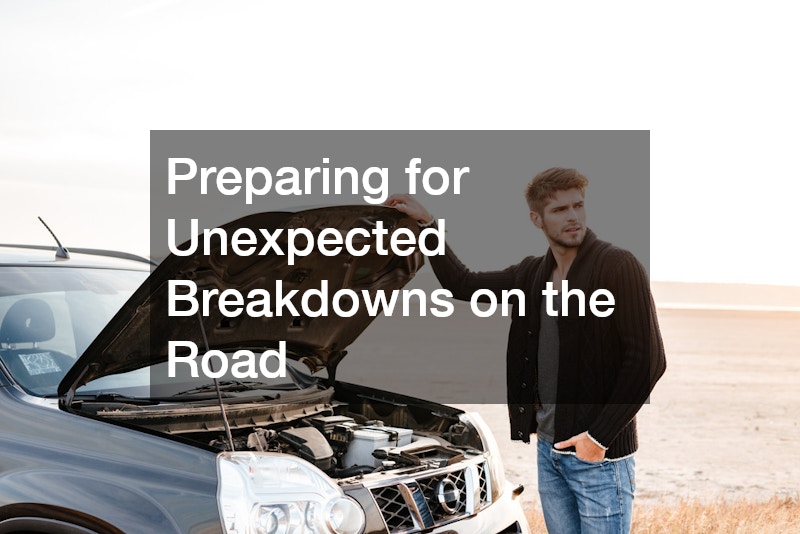
Preparing for Unexpected Breakdowns on the Road
Vehicle breakdowns rarely happen at convenient times. A car may fail during a commute, while traveling at night, or in unfamiliar areas. One of the most overlooked aspects of auto fix planning is preparing for these unpredictable situations before they occur. Without preparation, even a minor issue can quickly feel overwhelming.
This is where [[ auto roadside assistance]] becomes especially valuable. Having access to professional help reduces safety risks and eliminates the pressure to improvise solutions. Instead of attempting unsafe fixes or abandoning the vehicle, drivers can focus on staying secure while the situation is assessed properly. From an auto fix perspective, roadside support also helps prevent secondary damage caused by improper towing or continued driving on a compromised vehicle.
Preparation supports better decision-making. When help is readily available, drivers are less likely to rush repairs or accept unnecessary services out of fear. Over time, this preparedness becomes part of responsible vehicle ownership rather than an emergency-only consideration.
Practical tips:
-
Keep emergency contact information accessible in your phone
-
Maintain basic roadside supplies such as a flashlight and warning triangles
-
Understand what situations your coverage applies to
-
Use assistance services as a safety measure, not just a convenience
Understanding Warning Lights Before They Become Bigger Problems
Dashboard warning lights exist to provide early alerts, yet many drivers ignore them until noticeable problems appear. Among the most common alerts is the [[auto check engine light]], which can signal anything from minor sensor issues to serious engine-related concerns. The uncertainty surrounding this light often leads to delayed action.
The check engine light does not diagnose the problem; it indicates that the vehicle’s system has detected an abnormal condition. Treating this signal as an early warning rather than an emergency allows for calmer and more effective auto fix decisions. Addressing issues early often prevents damage from spreading to other components, which reduces repair costs and downtime.
Ignoring warning lights may not cause immediate failure, but it increases long-term risk. Understanding that these alerts are protective tools helps drivers shift from reactive behavior to preventive maintenance, which is a key principle of responsible auto fix planning.
Practical tips:
-
Note whether the light is steady or flashing
-
Pay attention to changes in vehicle performance
-
Avoid extended driving if new symptoms appear
-
Schedule a diagnostic check promptly
Restoring Access When Vehicle Entry Is No Longer Possible
Few situations are as frustrating as being unable to access your vehicle when you need it most. Lock-related problems are common and often occur unexpectedly. Misplaced keys, electronic malfunctions, or accidental locking can quickly derail plans.
A [[ car lockout]] situation should be handled carefully. Attempting to force entry may damage doors, windows, or internal locking mechanisms, leading to higher repair costs. Modern vehicles are particularly vulnerable because locks are integrated with security and alarm systems. Improper handling can trigger system errors that extend beyond the lock itself.
From an auto fix standpoint, understanding when to seek proper assistance helps preserve the vehicle’s integrity. Lockout issues are not just inconveniences; they are situations where patience and correct handling prevent unnecessary damage and stress.
Practical tips:
-
Avoid attempting to force doors open
-
Keep a spare key accessible when possible
-
Be aware of electronic locking system behavior
-
Seek assistance designed for vehicle entry issues
Replacing Electronic Access Tools When They Fail
Modern vehicles increasingly rely on electronic access systems instead of traditional metal keys. While these systems offer convenience, they also introduce new points of failure that drivers may not anticipate. When access tools stop working, the vehicle may become completely unusable.
In these cases, obtaining a [[ new key fob]] is often necessary. Key fobs communicate directly with vehicle security and ignition systems, making correct replacement and programming critical. Improper handling or mismatched components can cause system lockouts or communication errors that complicate repairs.
From an auto fix perspective, electronic access tools should be treated as essential components rather than accessories. Recognizing early signs of malfunction allows drivers to address problems before complete failure occurs, reducing inconvenience and downtime.
Practical tips:
-
Recognize early signs of key fob malfunction
-
Avoid exposure to moisture or impact damage
-
Replace weak batteries promptly
-
Ensure replacements are correctly programmed
Addressing Visible Damage That Affects More Than Appearance
Exterior vehicle damage often appears cosmetic, but it can signal deeper issues. Dents, scratches, and misaligned panels may expose metal surfaces, disrupt protective coatings, or affect aerodynamic performance. Left unaddressed, these issues can worsen over time.
Professional [[ auto body shops]] assess damage beyond what is visible. Even minor collisions can shift panels or compromise protective layers designed to prevent corrosion. Addressing these issues early helps maintain both vehicle value and structural safety.
From an auto fix standpoint, exterior repairs are not just about appearance. They play a role in long-term durability, especially in regions with moisture, road salt, or temperature extremes.
Practical tips:
-
Inspect damage after even minor impacts
-
Address exposed metal promptly
-
Understand repair options before delaying work
-
Consider safety implications, not just appearance
Restoring Structural Integrity After Impact or Wear
Some of the most critical vehicle damage is not immediately obvious. Structural components may be affected by impacts that leave little visible evidence. Over time, unnoticed structural damage can compromise safety systems and handling.
Proper [[ autobody repair]] focuses on restoring structural integrity, not just cosmetic alignment. This may involve frame adjustments, sensor recalibration, and ensuring that impact-absorption zones function as designed. Skipping these steps increases risk in future incidents.
From an auto fix perspective, structural repairs should never be rushed or minimized. Proper evaluation ensures that the vehicle performs predictably and safely under normal driving conditions and emergencies.
Practical tips:
-
Seek thorough inspections after collisions
-
Confirm repairs address underlying structure
-
Ensure safety systems are recalibrated
-
Keep documentation of completed repairs
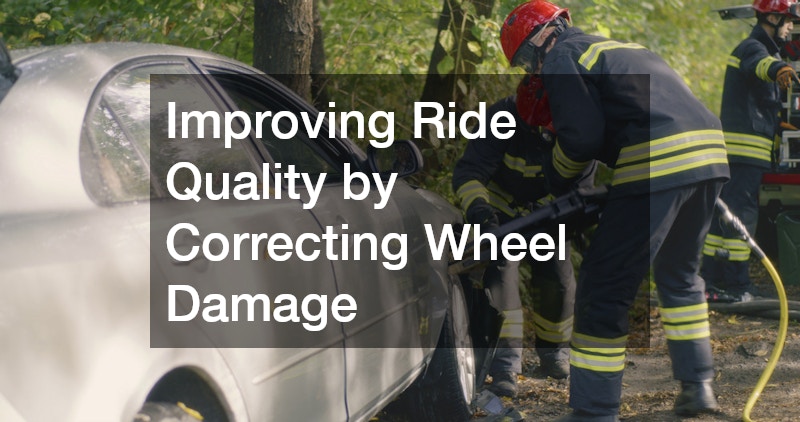
Improving Ride Quality by Correcting Wheel Damage
Wheel damage is a common result of potholes, curbs, and uneven road surfaces. These impacts may not immediately disable a vehicle, but they often create vibrations, alignment issues, or uneven tire wear over time.
[[ Rim straightening]] addresses bent wheels by restoring their original shape and balance when appropriate. This auto fix approach improves ride quality and steering response without requiring full wheel replacement in every case.
Maintaining proper wheel condition supports both comfort and safety. Ignoring wheel damage can place additional strain on suspension and steering components, increasing long-term repair costs.
Practical tips:
-
Pay attention to steering wheel vibration
-
Inspect wheels after significant impacts
-
Monitor tire wear patterns
-
Address alignment issues promptly
Identifying Mechanical Issues Through System Analysis
Modern vehicles rely on electronic systems to manage performance, safety, and emissions. When problems occur, they are often invisible without proper analysis tools. Guessing at causes can lead to unnecessary part replacement.
[[ Auto diagnostics]] allow technicians to retrieve data from onboard systems and identify specific faults. This targeted approach improves accuracy and efficiency, reducing time spent troubleshooting unrelated components.
From an auto fix perspective, diagnostics provide clarity. Understanding what the vehicle is reporting allows owners to make informed decisions and avoid repeated visits for unresolved issues.
Practical tips:
-
Use diagnostics when warning lights appear
-
Address stored error codes promptly
-
Avoid repeated resets without repairs
-
Keep records of diagnostic results
Enhancing Comfort and Protection Inside the Vehicle
Interior comfort directly affects driving experience and long-term vehicle condition. Excessive sunlight and heat can damage upholstery, dashboards, and electronic components, reducing both comfort and value.
[[ Auto tint]] helps regulate interior temperatures, reduce glare, and protect materials from UV exposure. From an auto fix standpoint, tinting supports interior preservation and reduces strain during long drives.
When applied properly and within regulations, tinting contributes to a more comfortable and controlled driving environment without affecting visibility or safety.
Practical tips:
-
Check local regulations before tinting
-
Choose tint levels appropriate for visibility
-
Monitor interior temperature changes
-
Maintain tinted windows properly
Supporting Suspension Health for a Stable Ride
Suspension systems absorb road impact and maintain vehicle stability. Over time, wear and tear affect performance, leading to reduced comfort and handling precision.
[[ Coil springs]] are essential components that support vehicle weight and maintain ride height. When they weaken or fail, drivers may notice sagging, uneven stance, or reduced stability. Addressing these issues early improves safety and prevents additional strain on shocks and alignment systems.
Including suspension checks in regular auto fix planning ensures predictable handling and long-term reliability.
Practical tips:
-
Watch for uneven ride height
-
Listen for unusual suspension noises
-
Inspect suspension after rough driving conditions
-
Address wear before it affects alignment
Conclusion
Understanding auto fix fundamentals allows vehicle owners to respond thoughtfully instead of reactively when issues arise. Each scenario discussed in this guide represents a common challenge faced during vehicle ownership, from access issues and warning lights to structural repairs and suspension wear.
Small problems rarely stay small when ignored. Early awareness, preparation, and informed decisions help reduce cost, stress, and safety risks over time. While no driver can prevent every issue, understanding what different problems mean creates confidence and control.
For homeowners and everyday drivers, auto fix knowledge transforms vehicle maintenance from a source of uncertainty into a manageable responsibility. With the right awareness and timely action, maintaining a vehicle becomes part of a stable, predictable routine rather than an ongoing disruption.