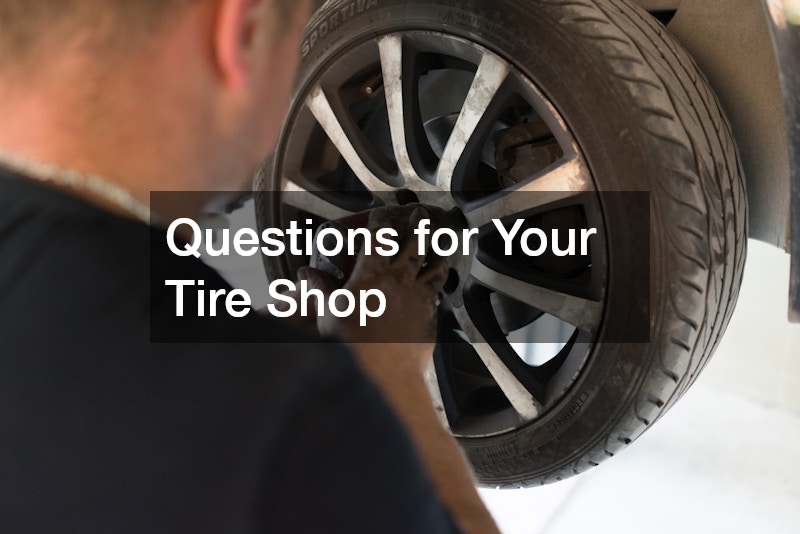
When visiting a tire shop, understanding the different types of tires available is crucial. Not all tires are created equal, and different types cater to diverse driving needs. All-season tires provide a balanced performance throughout the year, while winter tires offer enhanced traction on snow and ice.
By asking the right questions at the tire shop, you can determine which type best suits your driving habits and climate. It’s also worth inquiring about new technologies in tire manufacturing that could enhance safety and efficiency.
The benefits of different tire types are vast. Performance tires, for instance, are designed for high-speed and precision handling, making them ideal for sports cars. On the other hand, touring tires focus on providing a smooth and quiet ride, often preferred by families for long trips. Understanding these benefits can help you make an informed decision when visiting a tire shop, ensuring that you’re getting the best tire for your specific needs. It’s essential to have a clear understanding of these options to make a choice that enhances your driving experience.
Maintenance Services and What They Include
Regular maintenance is key to keeping your tires in optimal condition. A reliable tire shop should offer a variety of maintenance services that go beyond just selling tires. Common services include tire rotation, balancing, and alignment. Each of these services plays a vital role in extending the life of your tires and ensuring your vehicle’s safety. By determining what services are available, you can keep your tires and vehicle performing efficiently and safely.
Tire rotation involves moving tires from one position on the vehicle to another to ensure even wear. Balancing, on the other hand, corrects the uneven distribution of weight on the wheels. Alignment refers to adjusting the angles of the wheels to the manufacturer’s specifications. Asking about these services at the tire shop and understanding their importance can help you maintain your tires better. Furthermore, routine maintenance like inspecting for wear and tear or checking for proper inflation can prevent costly issues down the line.
Comprehensive tire shops also offer additional services such as patching and repairing tires. These services are essential if you encounter a puncture or leak, saving you from the cost of buying new tires prematurely. Moreover, some tire shops offer roadside assistance programs for added convenience, providing support when unexpected issues arise. By discussing these services with your tire shop, you can be sure you’re getting the most from your investment. It’s beneficial to establish a routine maintenance schedule with them to keep everything running smoothly.
Choosing the Right Tire for Your Needs
Selecting the right tire involves considering your driving conditions and needs. Before visiting a tire shop, reflect on where and how often you drive. If you frequently drive long distances on highways, consider tires known for comfort and fuel efficiency. For off-road adventures, ask the tire shop about all-terrain tires that can handle rugged paths and provide necessary traction. Discussing your driving habits with a knowledgeable representative can guide you to the perfect fit for your vehicle.
One crucial factor is understanding the size and specifications required for your vehicle. Not all tires will fit your car, and buying the wrong size can lead to safety issues and performance inefficiencies. Tire shops can provide guidance on the correct tire size and match specifications to your vehicle’s needs. It’s also important to take into account your vehicle’s load capacity when choosing tires. Asking these pertinent questions can make a huge difference in ensuring safety and performance.
The price of tires often reflects their quality and expected longevity. Speak to your tire shop about budget-friendly options if cost is a concern, or focus on premium choices for higher performance and durability. Exploring different brands and their reputations for reliability can also be insightful. Finding the right balance between cost and value is essential for a satisfactory purchase. Tire shops should be able to offer a range of options that align with your needs and financial considerations, ensuring you drive away satisfied with your purchase.
Understanding Warranties and Return Policies
Warranties and return policies are critical aspects to consider when purchasing tires from a tire shop. A warranty can range from basic protection against manufacturing defects to extensive coverage against wear and road hazards. Understanding what each warranty covers and how claims are processed is essential. By asking about these details, you can rest assured knowing you’re protected against potential issues. It’s always better to be informed than face unexpected situations without support.
Finally, consider how the tire shop handles disputes and customer service issues. A tire shop committed to customer satisfaction will have transparent and accessible processes for addressing concerns. Effective communication and a willingness to resolve issues reflect positively on the store’s reputation. By choosing a tire shop that prioritizes customer experience, you can build a trusting relationship for future needs. It can make all the difference in ensuring a smooth, successful tire-buying experience.