These items, when thoroughly checked, contribute to the smooth and safe operation of your garage door system. By maintaining a consistent inspection routine, you protect not just your garage, but also enhance the safety of your home environment.
1. Track Alignment
One of the essential components to assess during garage door inspections is the track alignment. The tracks guide the smooth movement of the garage door and any misalignment could lead to operational inefficiencies or, in severe cases, derail the door entirely. Inspect the tracks to check if they are properly aligned; a simple visual check can reveal bends or imperfections. Keeping the tracks clean from debris and ensuring they are correctly aligned should be a top priority. Regular inspections help in diagnosing these issues early, preventing what could otherwise result in significant repair costs.
During garage door inspections, ensure that the tracks are securely fastened to the wall. Loose screws or bolts can cause the tracks to shift out of alignment, affecting the door’s functionality. A straightforward tightening of the screws or bolts is often enough to address minor alignment issues. However, if the tracks are significantly bent or damaged, professional assistance may be necessary to either repair or replace the tracks. The precision of track alignment directly influences the smooth operation of the garage door, reinforcing why it should not be overlooked.
2. Spring Condition
The springs in a garage door system bear the significant weight of the door itself, making them critical to inspect. They are designed to counterbalance the door, allowing it to open and close smoothly. Over time, these springs can wear out or snap, which can pose both operational inefficiencies and safety hazards. As part of your garage door inspections, visually check the springs for signs of wear or rust. A broken spring can cause the door to suddenly fall, so ensuring their optimal condition is crucial for safety.
Typically, garage door systems use either torsion or extension springs, each requiring careful inspection. Torsion springs are located above the garage door, while extension springs are found along the side. Check for gaps in the springs, as this often signifies that they need replacement. It’s important to note that spring replacement should only be conducted by professionals due to the high tension they hold. Properly functioning springs are essential for the balance and ease of operation of the garage door.
3. Rollers and Hinges
Rollers and hinges facilitate the smooth movement of the garage door, making their condition crucial to the door’s operation. During garage door inspections, check for signs of wear or damage on these components. Rollers can degrade or break over time, affecting the door’s ability to open and close smoothly. Pay attention to any signs of wobbling or uneven motion and listen for grinding noises that indicate roller wear. Maintaining and replacing these parts as necessary will significantly contribute to the door’s performance and longevity.
Hinges, on the other hand, are pivotal joints that enable the door to bend when opening and closing. Inspect these closely during your garage door inspections for any signs of rust or cracks. Hinges can become loose over time, and the holes in which they are secured can become markedly enlarged, leading to operational difficulties. Tightening or replacing hinges when needed can save a lot of effort and money on significant repairs down the line. Regular lubrication can also help prevent rust and ensure smoother operation.
4. Safety Mechanisms
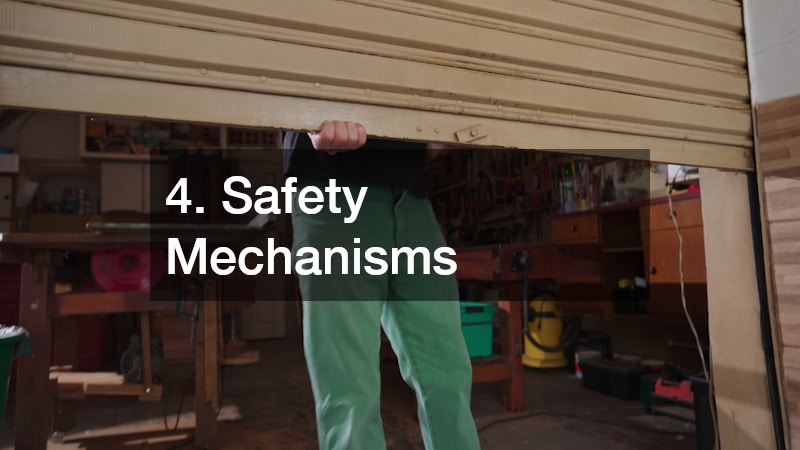
Modern garage doors are equipped with various safety mechanisms that protect users from potential hazards. These include sensor beams and auto-reverse features, both of which should be regularly tested during garage door inspections. The sensor beams make sure that the door doesn’t close on an obstacle, while the auto-reverse feature ensures the door retracts upon detecting resistance. Ensuring these mechanisms work properly is critical for maintaining safety. Testing them by placing an object in the way of the closing door can verify their proper function.
Inspect the sensors for any dirt, debris, or misalignment that might affect their performance. It’s common for dust or grime to build up on the sensor lenses over time. Regular cleaning can ensure they send and receive signals accurately. If the sensor beams are not working correctly, it could lead to the garage door failing to stop and reverse. Proper function of these safety systems during garage door inspections is crucial for preventing injuries and accidents.